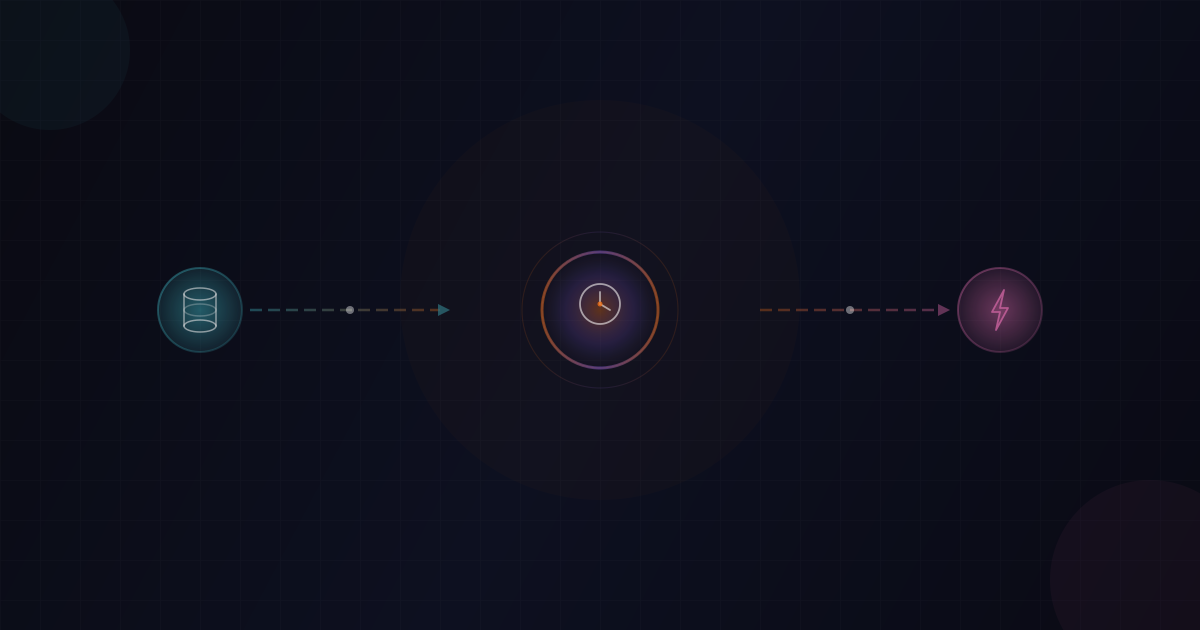
LLMs have no internal clock. A token from five days ago holds the same weight as one from five milliseconds ago. This deep dive explores how temporal blindness breaks production agents and how OpenAI, Anthropic, and Google are engineering time-awareness into their platforms.
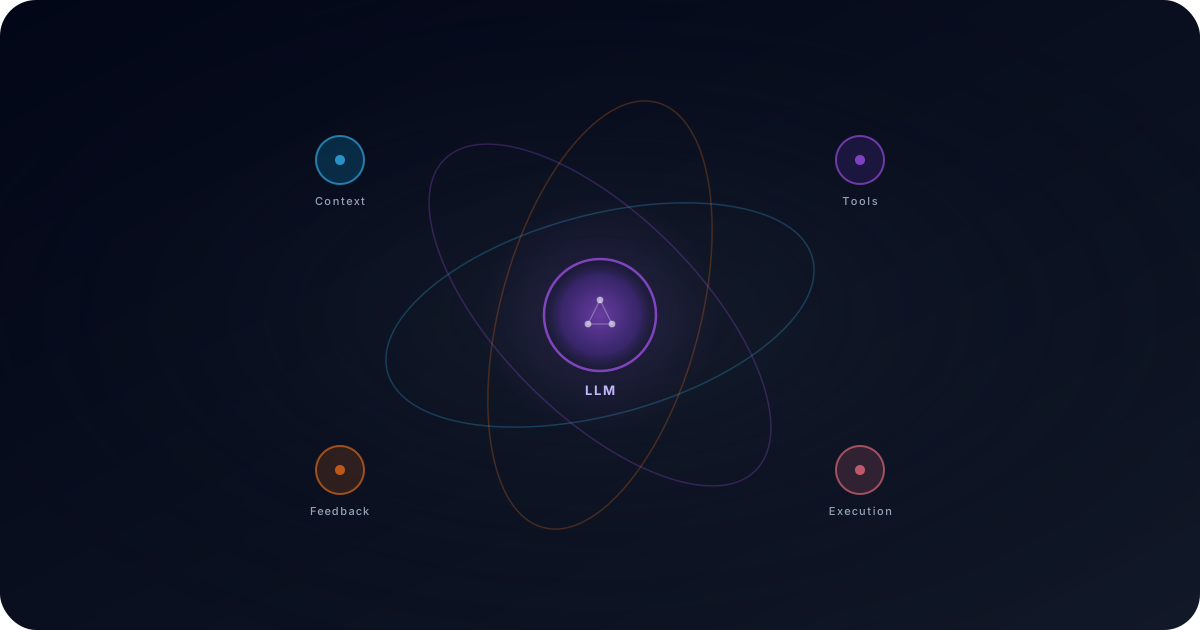
Everyone's debating whether Claude 4.7 or GPT-5.4 is the 'smartest' model. But what if the model barely matters? This explainer breaks down the Agent Harness, the invisible infrastructure layer that turns a raw LLM into a reliable, autonomous coding agent.
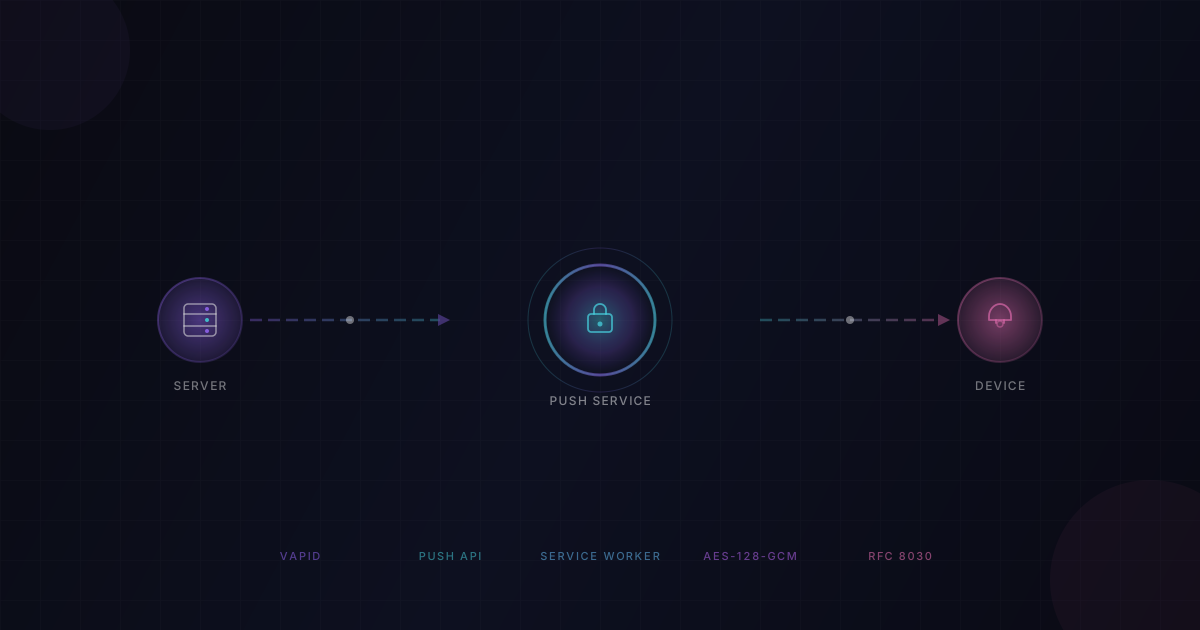
Your web app can send notifications even when it's closed. But how? This deep dive explains Web Push from first principles - the Push Service middleman, VAPID identity, payload encryption, and the service worker that never sleeps.
LLMs have massive context windows, but 'more' isn't always better. Learn how to manage context like memory in a localized system using Trimming, Compaction, and Caching.
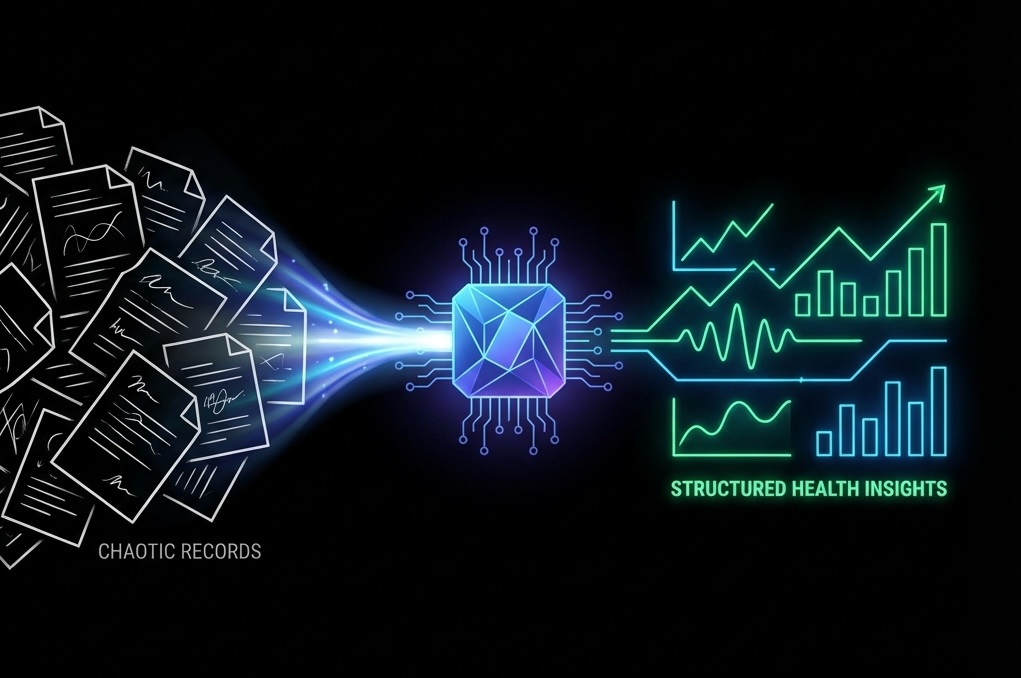
How I built a zero-backend, local-first medical timeline app using React, IndexedDB, and Google Gemini 3 Pro - solving the data 'grounding' problem without sacrificing user privacy.
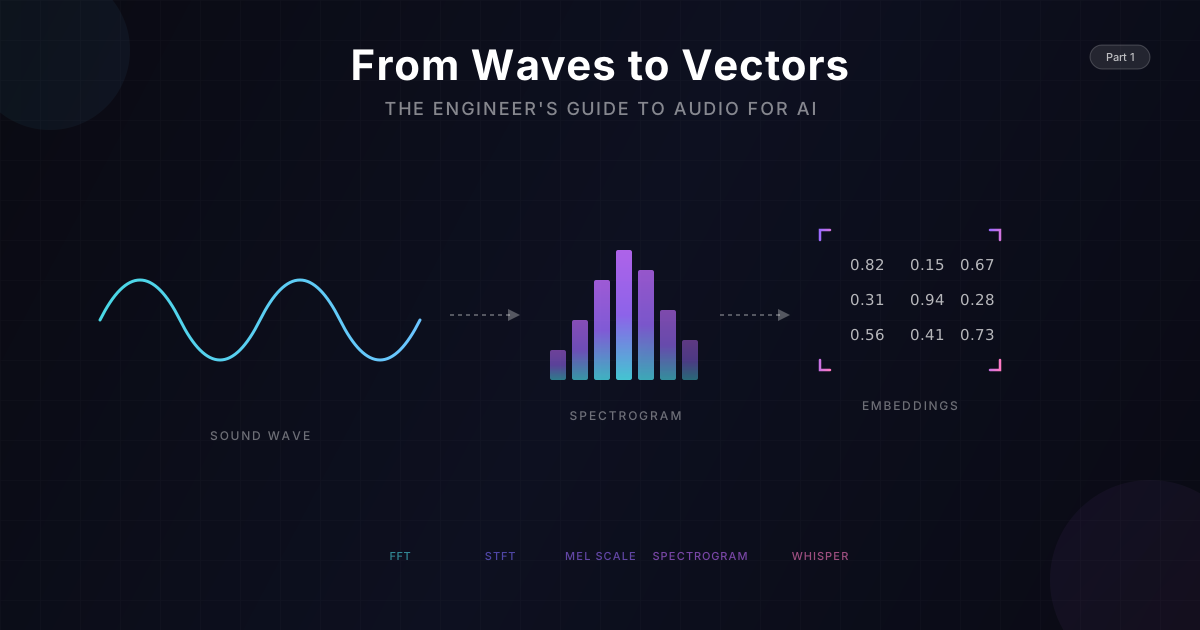
Before you can feed audio to AI, you need to understand what sound actually is. This deep dive explores the physics and engineering of audio - from pressure waves to spectrograms - building the foundation for understanding Speech AI.
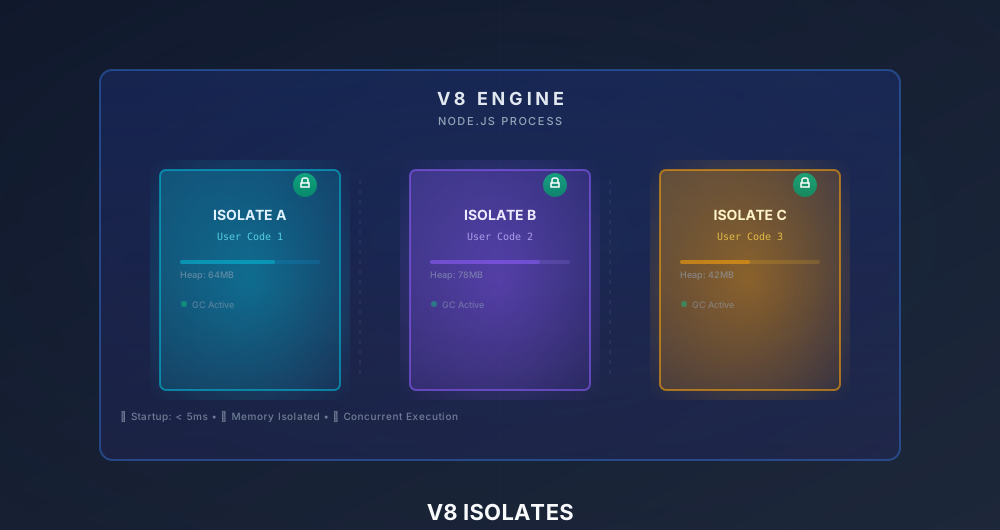
V8 Isolates are the lightweight, secure containers that power modern JavaScript execution in Chrome and Node.js. This first part explains the V8 engine, the concept of memory isolation, and how to build a basic secure sandbox using the isolated-vm library in Node.js.
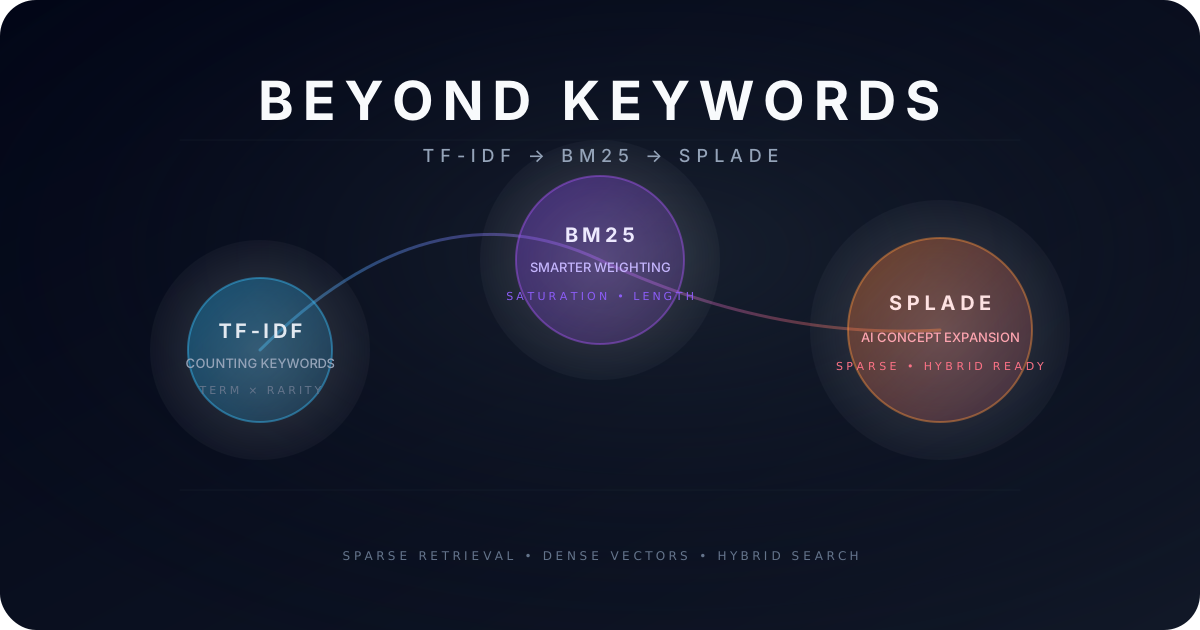
We've all been there: you search for 'soda' but the app only knows 'pop'. This is the search problem. Let's go on a journey from simple keyword counting (TF-IDF) to smarter ranking (BM25) and finally to AI that gets you (SPLADE).
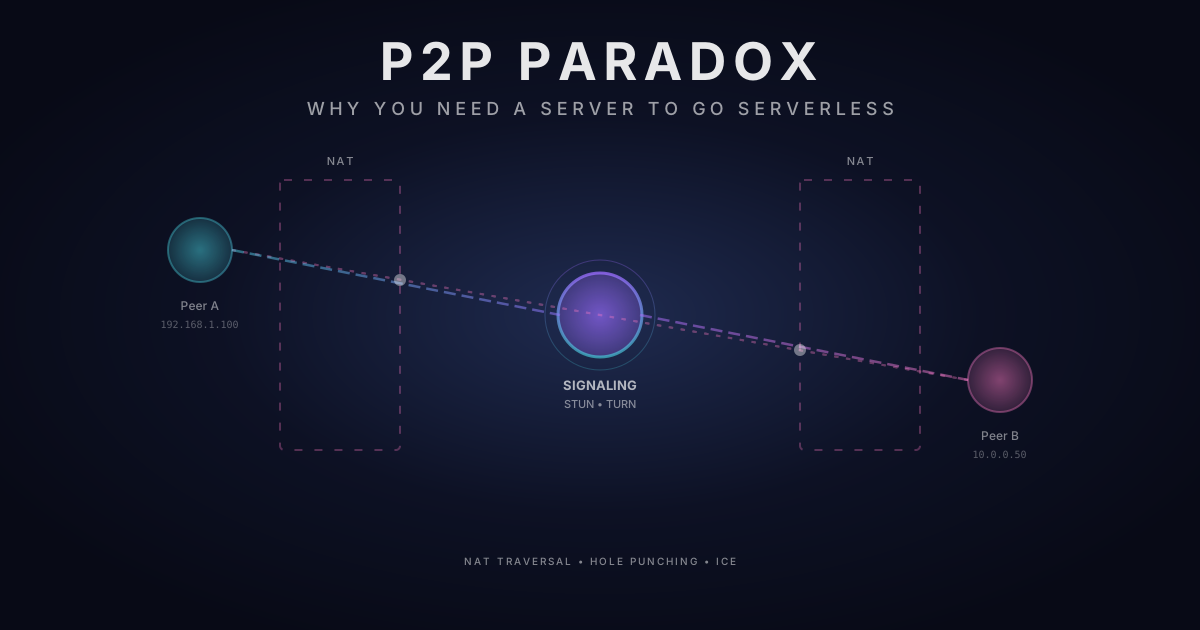
Explore the peer-to-peer discovery problem. Learn how NAT, STUN, TURN, and signaling servers work together to create the 'impossible' P2P connections required for WebRTC and Web3.